The Art and Science of Mold Making: Exploring the Latest Techniques in Mold Manufacturing
2023-07-24
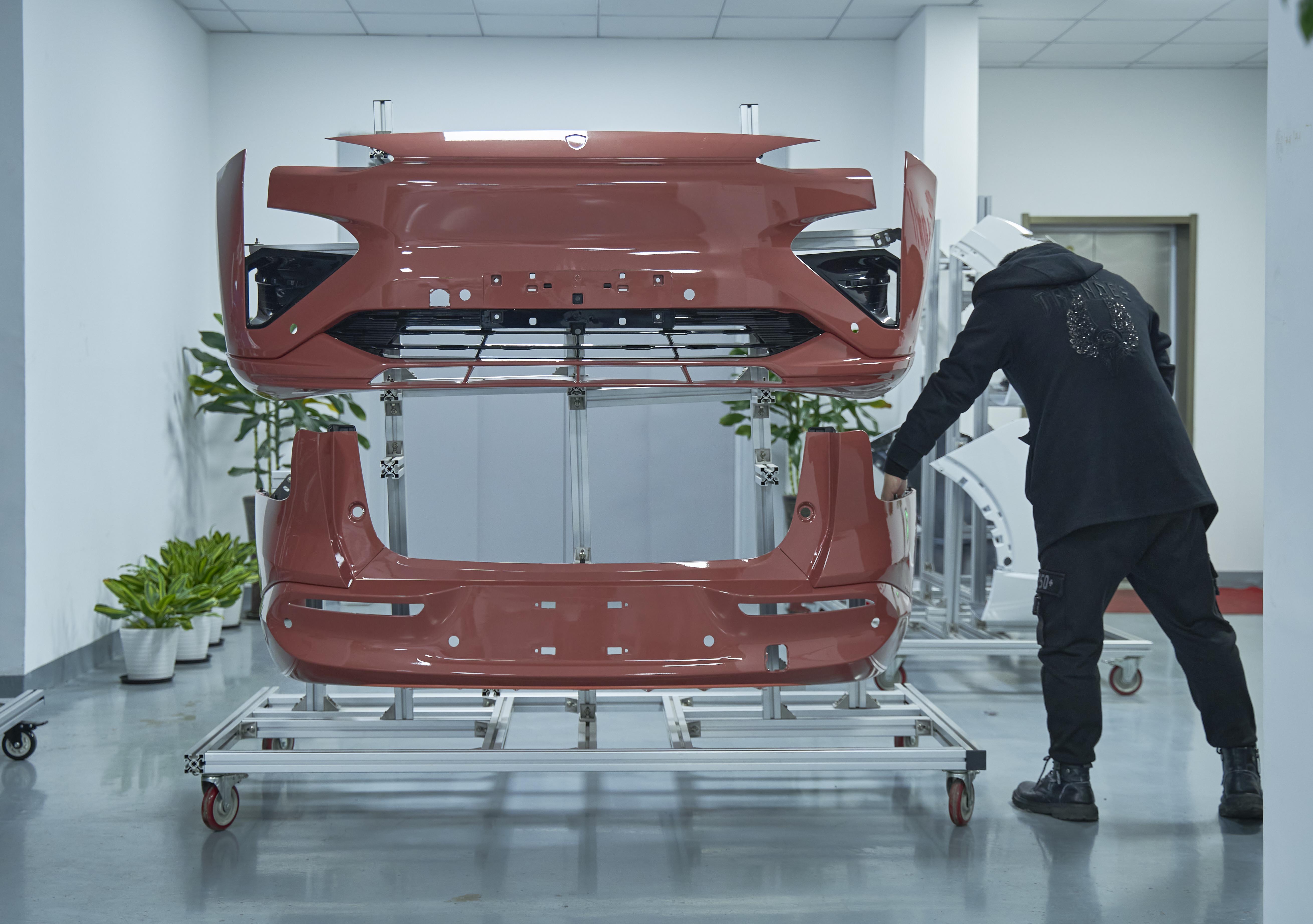
Mold making is a critical component in the manufacturing process of many industrial products. From automobile parts to electronic devices, molds are used to create the precise shapes and sizes required for a wide range of applications. The art and science of mold making has come a long way in recent years, with new techniques and technologies improving the precision, speed, and efficiency of the process.
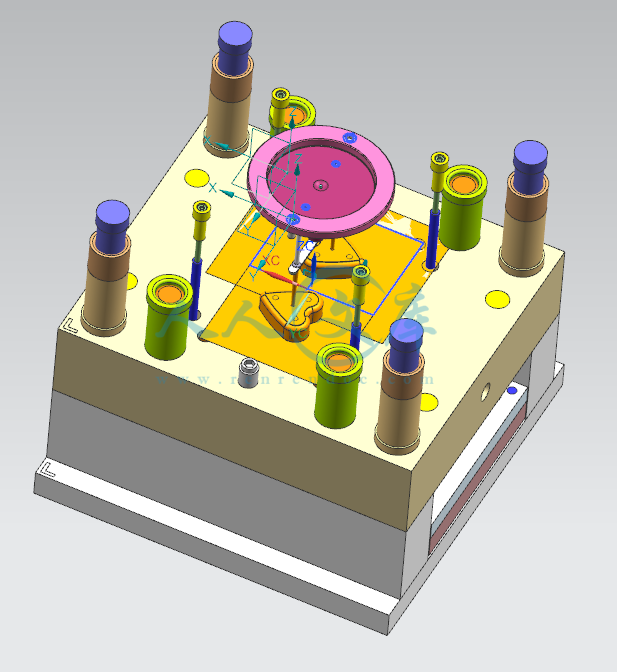
One of the latest techniques in mold making is 3D printing, which allows for the creation of complex geometries with a high degree of accuracy. This technique involves using a computer-aided design (CAD) software to create a digital model of the mold, which is then translated into a physical object using a 3D printer. With 3D printing, molds can be created much faster and at a lower cost than traditional methods, and can be easily modified and customized to meet specific requirements.
Another technique that has been gaining popularity in mold making is electrical discharge machining (EDM). This technique uses electrical sparks to erode the mold material and create the desired shape. EDM is particularly useful for creating cavities and fine details in the mold, and can be used with a wide range of materials, including metals, ceramics, and plastics.
In addition to these techniques, new materials are also being developed for mold making. For example, advanced composites such as carbon fiber reinforced polymers (CFRP) have been shown to have excellent mechanical properties and are highly resistant to wear and tear. These materials can be used to create molds with increased durability and longevity, reducing the need for frequent replacements.
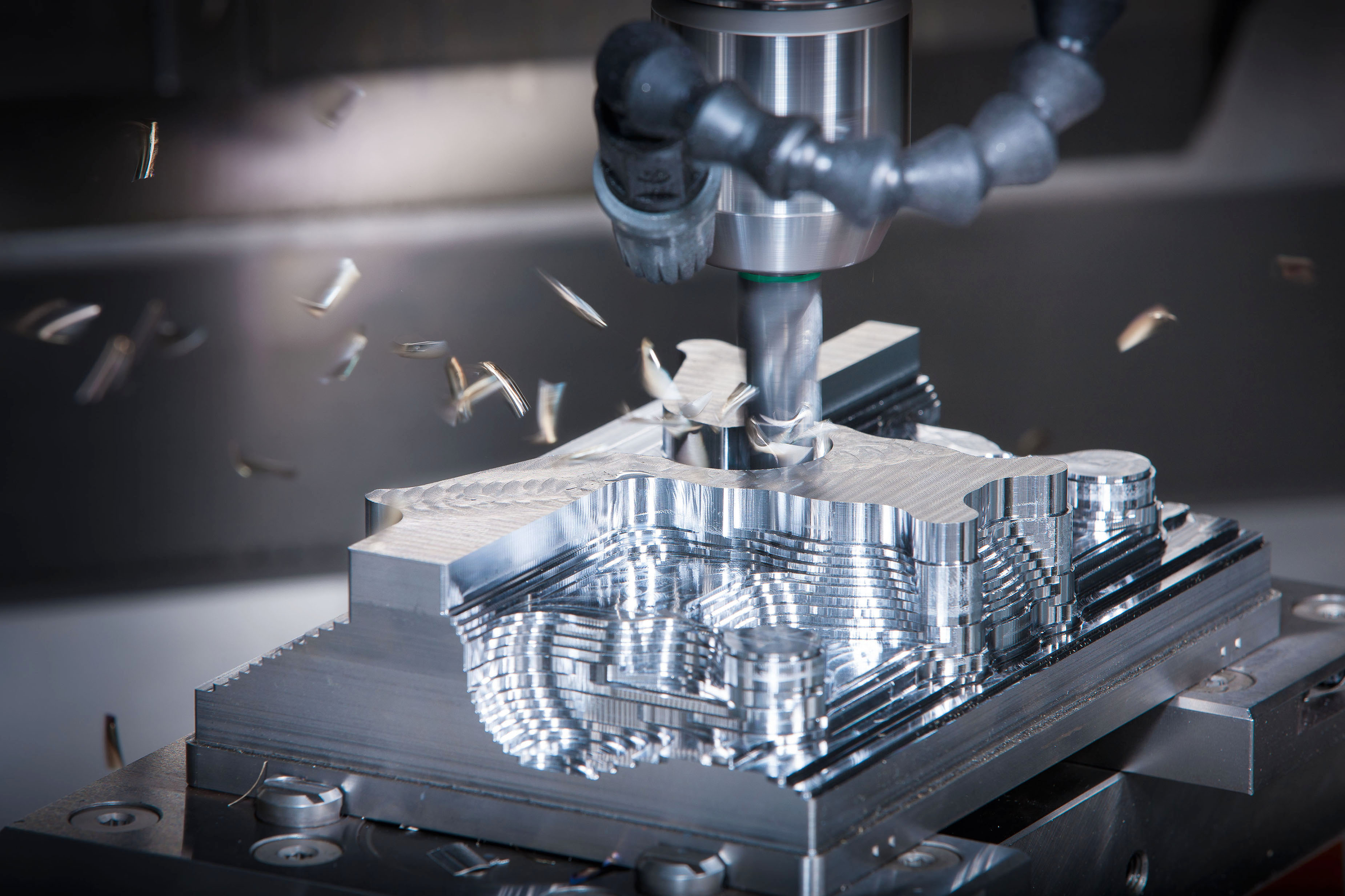
Despite these advancements in mold making technology, traditional methods such as CNC machining and injection molding still play a vital role in the industry. These methods continue to be refined and improved, and are often used in conjunction with newer techniques to create high-quality molds with a high degree of accuracy and precision.
In conclusion, the art and science of mold making is constantly evolving, with new techniques and technologies being developed to improve the process. From 3D printing to EDM and advanced materials, there are many exciting developments in the field that are helping to create better and more efficient molds. As the demand for precision manufacturing continues to grow, it is likely that we will see even more advancements in mold making technology in the years to come.
One of the latest techniques in mold making is 3D printing, which allows for the creation of complex geometries with a high degree of accuracy. This technique involves using a computer-aided design (CAD) software to create a digital model of the mold, which is then translated into a physical object using a 3D printer. With 3D printing, molds can be created much faster and at a lower cost than traditional methods, and can be easily modified and customized to meet specific requirements.
Another technique that has been gaining popularity in mold making is electrical discharge machining (EDM). This technique uses electrical sparks to erode the mold material and create the desired shape. EDM is particularly useful for creating cavities and fine details in the mold, and can be used with a wide range of materials, including metals, ceramics, and plastics.
In addition to these techniques, new materials are also being developed for mold making. For example, advanced composites such as carbon fiber reinforced polymers (CFRP) have been shown to have excellent mechanical properties and are highly resistant to wear and tear. These materials can be used to create molds with increased durability and longevity, reducing the need for frequent replacements.
Despite these advancements in mold making technology, traditional methods such as CNC machining and injection molding still play a vital role in the industry. These methods continue to be refined and improved, and are often used in conjunction with newer techniques to create high-quality molds with a high degree of accuracy and precision.
In conclusion, the art and science of mold making is constantly evolving, with new techniques and technologies being developed to improve the process. From 3D printing to EDM and advanced materials, there are many exciting developments in the field that are helping to create better and more efficient molds. As the demand for precision manufacturing continues to grow, it is likely that we will see even more advancements in mold making technology in the years to come.
Chinese Mold Manufacturers Embrace Sustainability with Eco-Friendly Practices and Biodegradable Materials